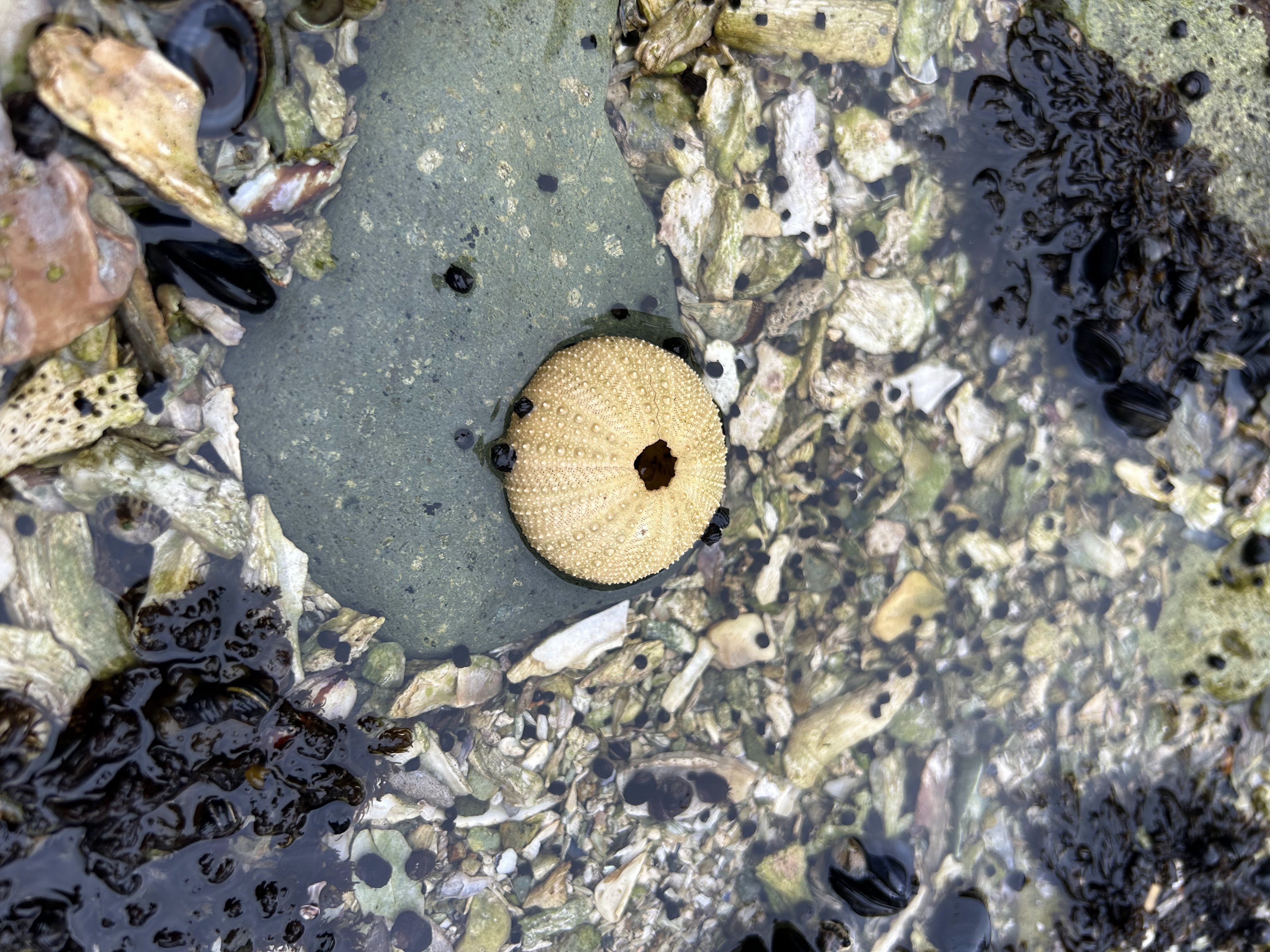
Project Hope was initiated by the Qawalangin Tribe and City of Unalaska to find community-centered solutions to sustainably manage contaminant exposure across the military sites of Unalaska. Researchers from the Universities of Alaska, Arizona, and Nevada are asking what the role of local military sites is in contamination of subsistence foods. We hope to provide useful information to subsistence users on where safe harvests can occur, determine sites of highest concern for remediation, and preserve subsistence resources for generations to come.
Origin of Project Hope: Despite Cleanup Efforts, Persistent PCB Contamination Remains in Fish from Northeast Cape, St. Lawrence Island
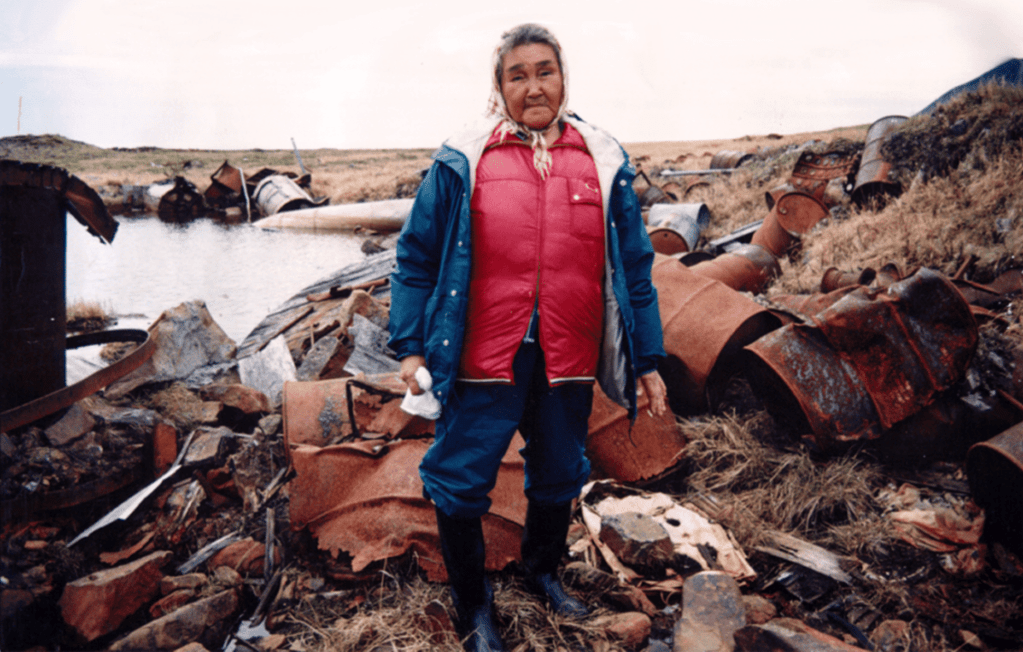
Researchers found that even after remediation, contaminants from FUD sites remain a potential health threat to local residents – in this case, Yupik people who had no influence over site selection and use by the US Military fish from Northeast Cape remained contaminated with PCBs even after remediation (von Hippel et al., 2018). Male fish collected from the Suqi River on St. Lawrence Island also show signs of exposure to estrogenic contaminants such as PCBs (von Hippel et al., 2018).
Project Timeline and Details
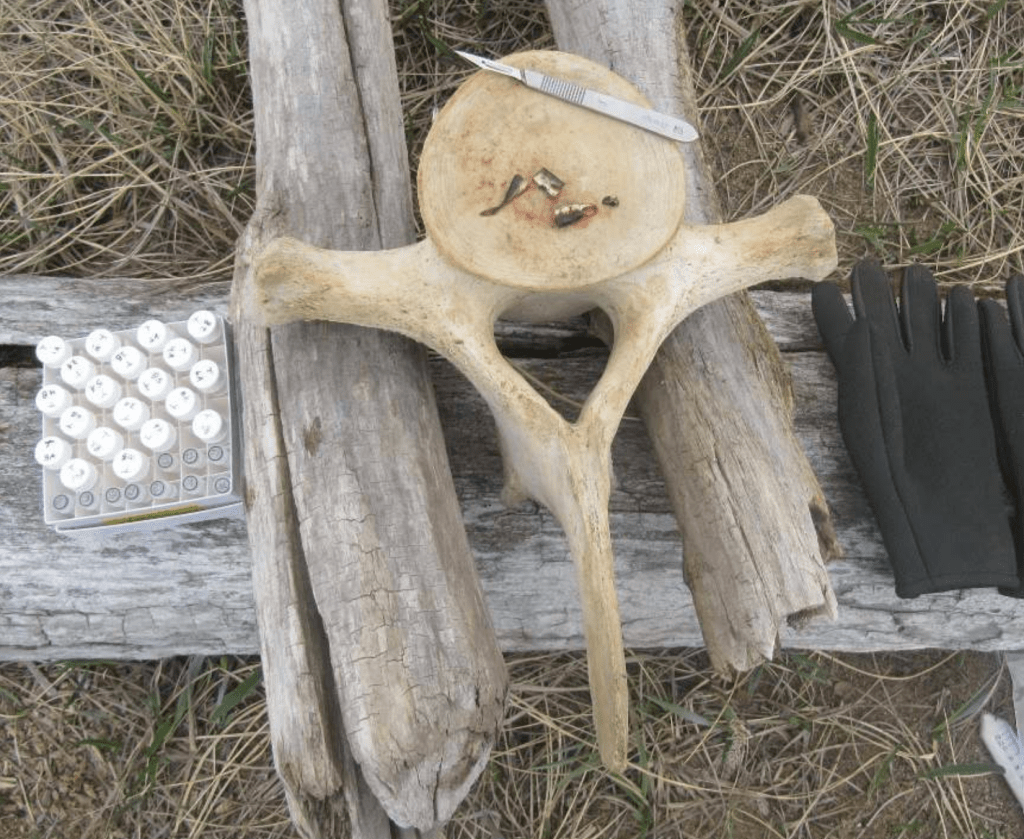
Environmental Sampling
Subsistence Use Surveys
Contaminant Chemistry and Data Analysis
Quantitative Risk Assessments and Dissemination of Findings

